

SLA Technology
Stereolithography service
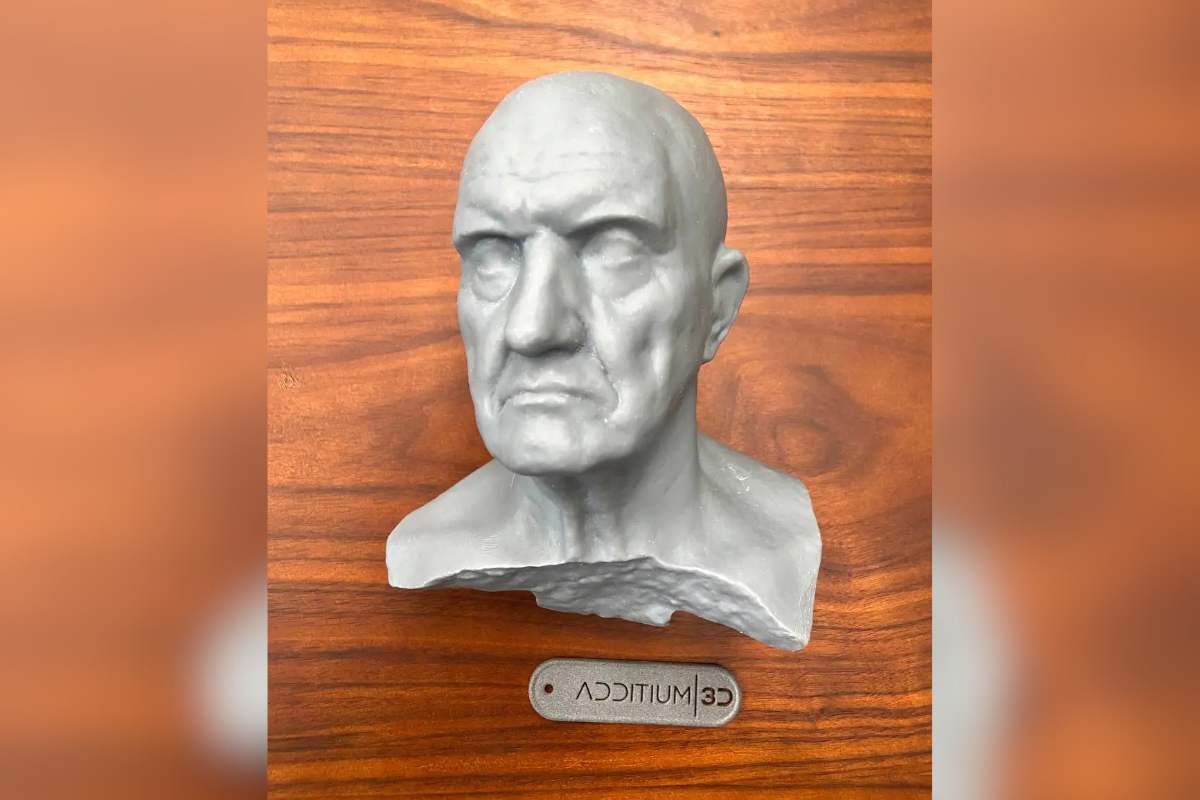
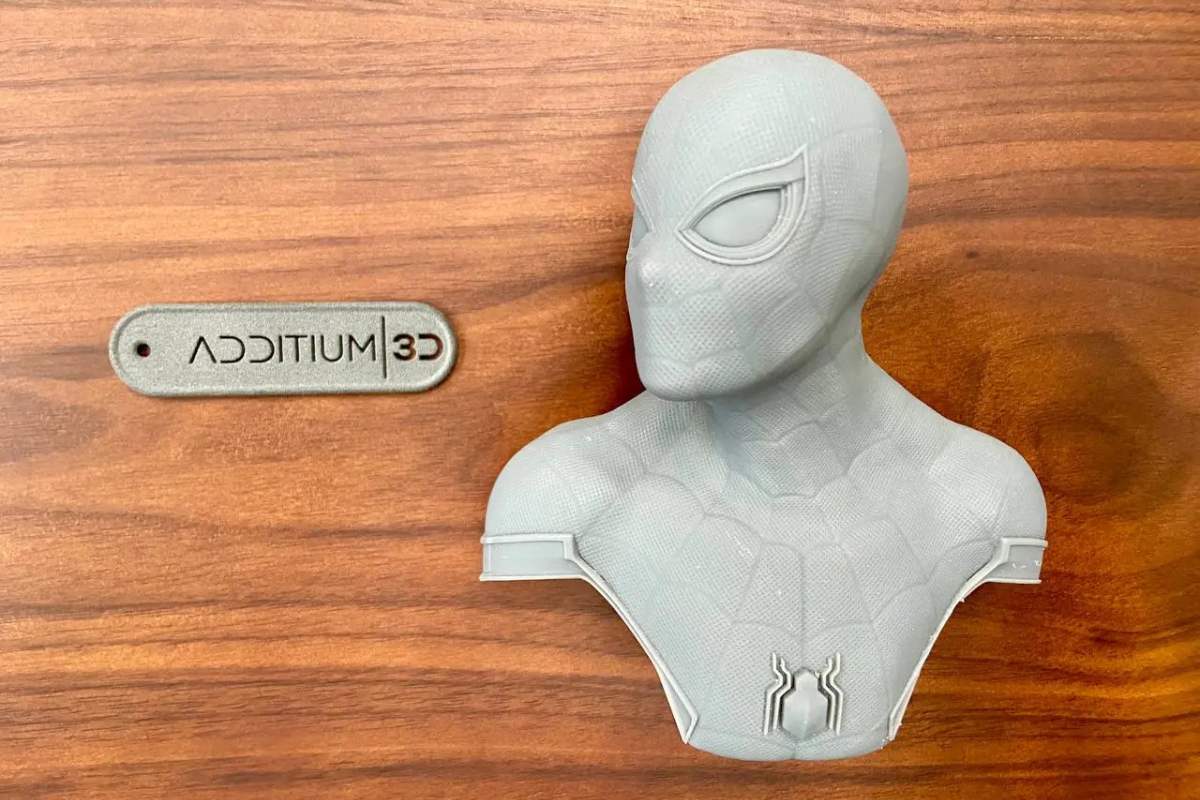
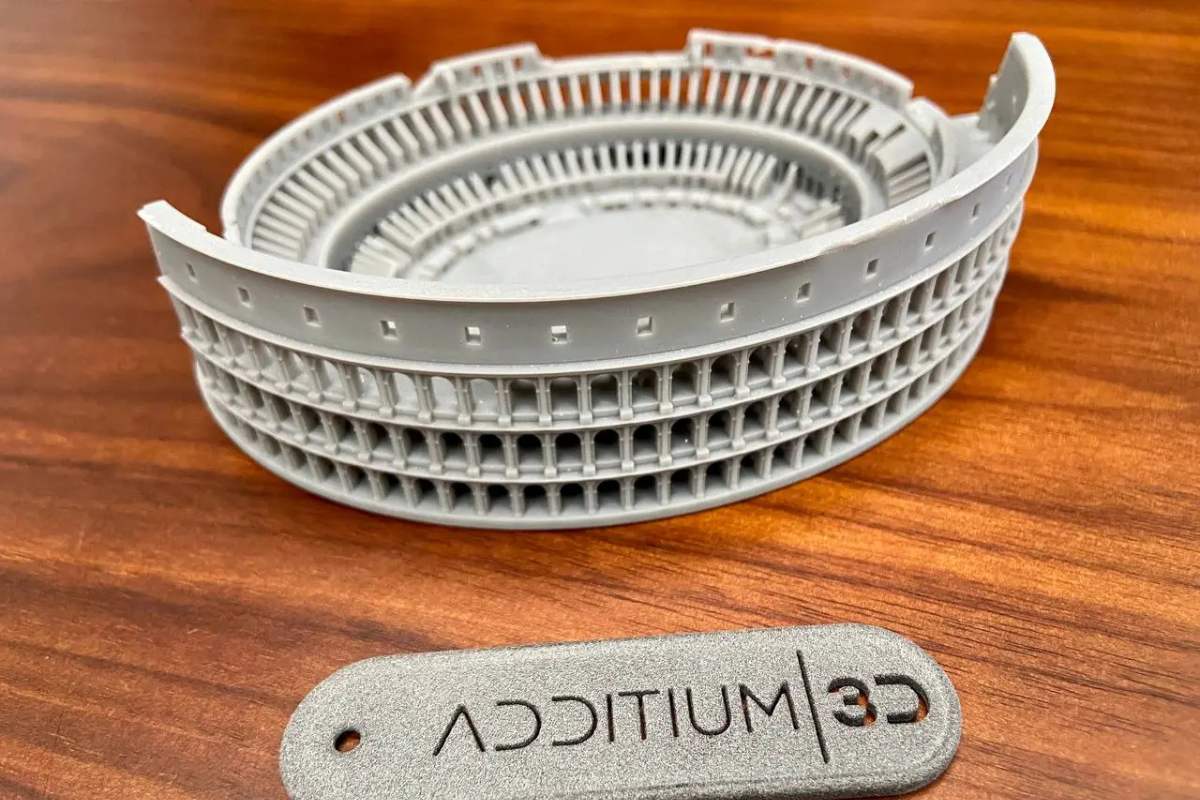
Parts and prototypes with an incredible level of detail. Ideal for the production of models, jewellery, modelling figures and all types of moulds. It is the most suitable solution for designers looking for very aesthetic finishes.
- Accuracy and resolution up to 25 microns guaranteed


SLA - Resin 3D Printing Case Studies
What is SLA 3D printing?
In SLA technology, a laser solidifies a photosensitive liquid resin, building up the model layer by layer. The resulting parts have the best surface finishes and highest resolution of our offer. It is also the ideal technology for the production of scale models and modelling figures, due to its detail and resolution.


Advantages and disadvantages of SLA 3D printing
We want to help you
to make informed decisions
Advantages of SLA Technology
- High precision in detailSLA technology offers high accuracy and resolution, making it ideal for detailed parts, intricate details and complex geometries that are difficult to achieve with other manufacturing methods.
- A wide variety of materials: SLA technology has been on the rise for many years and this has enabled the development of many resins that can be used to produce everything from prototypes for the health and dental industry to moulds for jewellery.
- Mechanical isotropy: This means that the layers do not affect the mechanical properties in any direction.
- Print speed: SLA printing is often faster than some other 3D printing technologies, which speeds up projects.
- Smooth surfaces: SLA-printed parts have smooth, high-quality surfaces, reducing the need for post-processing.
Disadvantages of SLA Technology
- Costly: Both printers and resins used in SLA tend to be more expensive compared to some other technologies.
- Limited resistance: Parts printed with SLA can be more fragile and not as robust as those printed with other technologies such as FDM or SLS.
- Exposure to UV light: The photosensitive resin used in SLA is sensitive to ultraviolet light, which may require special care during storage and handling.
- Support required: In some cases, they may require support structures that must be removed manually after printing.
- Limited size:a SLA printers often have limitations on the size of parts that can be printed, which can be a disadvantage for large projects.
LET'S TALK
Choose how to contact
Talk with Addit-IA
Get quick answers on industrial additive manufacturing thanks to our artificial intelligence trained with Additium 3D expertise.
Schedule your free consultation
Book a call with me and tell me about your project: I will guide you without obligation on how to optimise your production with 3D printing.
SLA TECHNOLOGY
Very high quality 3D print finishes at unbeatable prices with SLA technology


What materials are used in SLA 3D printing?
This is fundamental to understanding this technology, as the range of options is not as wide as we will see in FDM or SLA.
Basic Resin (Black and Grey)
Versatile standard resin for rapid prototyping and concept parts with high level of detail and uniform surface finish. Ideal for design validations, housings, tooling and functional models in early stages of development.
Resin Clear (Transparent)
Transparent resin that allows internal details and light to pass through. Ideal for optical applications, flow validation, translucent housings and prototypes requiring a polished finish or glass effect.
Tough 1500 Resin
Material with similar behaviour to polypropylene, resistant and with good resilience to stress. Suitable for functional parts subject to repeated loading, clips, technical housings and demanding mechanical components.
Flexible Resin 80A
Elastomeric resin with Shore 80A hardness, designed for flexible parts requiring compression, torsion or shock absorption. Suitable for gaskets, seals, grips, ergonomic elements and technical applications where elasticity is key.
High Temp Resin
Formulated to withstand high temperatures and demanding thermal environments. Ideal for moulds, industrial tooling, components subjected to heat and functional validation under extreme conditions.
Rigid 10K Resin
Glass-reinforced material that provides high rigidity and dimensional stability. Recommended for structural parts, technical housings, supports and components requiring minimal deformation under load.
TESTIMONIALS
Customer stories

"One of the few companies that is a pleasure to work with. Thank you for your services. I will certainly continue to use your services (...)".
Néstor Grande
Art Director at Montiego


ADDITIUM 3D has done some exceptional printing work for me. They scanned my parts and printed them in superior quality.
They have also printed pieces downloaded from public libraries which have been very useful for my models and scale models. They are fast in execution and delivery.
Paco Niederleytner
Founder
Order received correctly. They were able to capture exactly the idea I asked for. Everything perfect and very friendly!
Maria Pallas
Founder
Spectacular work and treatment. Couldn't have looked better!
Alberto Artola
Founder
Frequently asked questions
FAQS 3D SLA PRINTING
If what the client is looking for is a maximum level of detail and precision, Additium3D always recommends without a second thought the use of SLA technology, or stereolithography. This manufacturing technique, patented in 1984, consists of the photopolymerisation of a resin sensitive to ultraviolet rays by means of a laser, which solidifies layer by layer to form the desired 3D model.
In order to offer the best possible service, Additium3D uses Formlabs technology with Form3+ equipment that has unique properties on the market. The Form3+ is the result of a constant evolution over a decade to reach an equipment that offers on the one hand an unsurpassed surface quality thanks to its precision and the
Improved fine point supports; and demoulding and post-processing that makes it much easier to achieve clean and well-treated models, as long as it is under the control of skilled hands like those of the Additium3D team.
As with any 3D printing process, it all starts with the 3D design of the model to be printed and its export to an .STL format needed to work on the printing platforms.
Once the 3D model was made in .STL format, we used the Preform software to configure and maximise the printing space of 14.5×14.5×18.5 cm and minimise the necessary supports that support the print and that do not mark a surface with a resolution of up to 25 microns.
Once the printing is configured and after making sure that we have the necessary resin in the tank and we have completed the steps requested by the printer, we proceed to print our prototypes.
Once the manufacturing process is finished, it is time for the appropriate post-processing to obtain the best final quality. This process begins first in the Form Wash, a tank of Isopropyl Alcohol in which the 3D printed prototypes are immersed to remove resin residues and leave a clean piece.
Once this process of approximately 10 minutes is finished, we demould the pieces and introduce the prototypes into the Form Cure, an Ultraviolet oven in which we treat the 3D printed models for 30 minutes. In this way we get the material to reach its optimum properties. From here, Additium 3D applies its techniques developed over a decade of working with this technology to achieve the best possible finish for the parts.
As we told you in the first Blog post about SLA Technology and how Additium3D uses it to make prints with an amazing level of definition and detail.
SLA technology uses photosensitive resins that can vary in composition and properties. These resins are cured by exposure to UV light and are available in a wide variety of types, including standard, high-temperature, transparent, flexible and other resins.
In an SLA printer, a platform dips a layer of photosensitive liquid resin. Then, a UV laser is used to selectively solidify specific areas of the resin layer, creating a single layer of the part. The process is repeated layer by layer until the print is complete.
The main difference between an FDM (Fused Deposition Modelling) printer and an SLA printer is the manufacturing method. FDM uses thermoplastic filament that is extruded and solidified layer by layer, while SLA uses liquid resin that is cured with UV light. SLA tends to offer greater precision and fine detail, while FDM is known for its versatility and lower costs in some cases.