Resin 3D Printing: How long does it last and is it cheap? A simple guide for beginners and experts

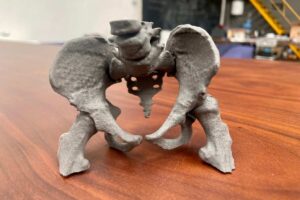
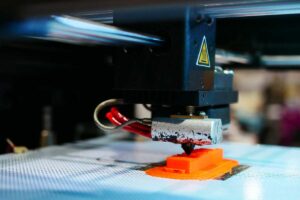
Resin 3D printing has become one of the most advanced and popular technologies in the world of additive manufacturing. Its ability to create parts with fine details and smooth surfaces makes it ideal for a wide range of applications. However, a common question among users is: how long does resin last in 3D printing? In this article, we will explore resin durability, associated costs and other key aspects of its use in 3D printing. Before we begin: Key considerations for the use of resin in 3D printing How long does resin last in 3D printing? The life of resin in 3D printing depends on several factors, such as the type of resin used, the storage environment and usage. In general, resin has a shelf life of approximately 12 months if stored under optimal conditions, i.e. in a cool, dark place and in a well-sealed container. Is it economical to use photo-reactive resins in 3D printing? Photo-reactive resins can be more expensive than other 3D printing materials, but their high quality and precision justify the price. In addition, the efficiency and ability to produce detailed and complex parts can offset the initial cost. How strong is 3D printing resin? The strength of 3D printing resin varies depending on its formulation. Some resins are designed to be extremely hard and impact resistant, while others are more flexible and resilient. In general, modern resins can offer comparable strength to many thermoplastics, making them suitable for functional applications and prototypes. How much does a 3D printer spend on resin? The resin consumption of a 3D printer depends on the volume of parts being printed. For example, a printer can consume between 50 and 100 ml of resin for a small part. It is crucial to optimise resin usage to minimise waste and reduce costs. How many parts can I print with 1 litre of resin? The number of parts that can be printed with 1 litre of resin depends on the size and complexity of each part. On average, about 10 to 20 small parts or several large parts can be printed with 1 litre of resin. Resin maintenance and preservation Proper maintenance of resins is essential to ensure their durability and quality. Store the resin in a cool, dark place and be sure to shake it well before use. It is also important to clean and maintain the printer regularly to avoid contamination and malfunction. How long does a litre of 3D printer resin last? How long a litre of resin lasts depends on the volume and frequency of printing. For an average user who prints occasionally, one litre of resin can last for several months. However, for intensive use, you may need to replenish the resin more frequently. What types of resins are there? Resins used in 3D printing vary according to their properties and applications. Among the most common types are: What are the strongest 3D printing resins? There are several resins on the market that offer exceptional strength. Some of the most prominent are high hardness resins and resins with advanced mechanical properties, such as impact and high temperature resistance. Getting started: A simple guide on how to 3D print with resin from setup to post-processing The Resin 3D Printing Process: Before you start printing, it is crucial to properly calibrate your resin printer. Follow these steps: Before pouring resin, wear gloves and have isopropyl alcohol on hand to clean up any spills. Fill the resin tank to the indicated level, without exceeding the maximum mark. Once the printer is calibrated and filled, load the print file into the laminator and adjust the parameters according to the resin manufacturer's specifications. Peeling the model off the print bed can be tricky. Use a spatula with a plastic blade to avoid scratching the base. A mini clay modelling trowel can also be useful, especially if it is thin and flexible. After printing, the models are covered with sticky resin that must be removed. Follow these steps: Tips to avoid resin 3D printing failures How to properly set up resins in additive manufacturing Setting up the printer and resin correctly is critical for the best results. This includes calibrating the exposure time and temperature, as well as adjusting the printing platform to ensure proper adhesion of the layers. How to optimise a resin when 3D printing Optimising resin usage involves adjusting parameters such as light exposure, layer height and print orientation. These adjustments not only improve the quality of the prints, but also reduce resin consumption. Resin 3D printed parts by Additium 3D Do you need help with the 3D printing of your project? Resin 3D printing is a powerful technology for creating detailed and accurate parts. With proper calibration, preparation and post-processing, you can maximise the durability and quality of your prints. Experiment with different resins and settings to find the configuration that best suits your needs. And if you need additional advice or are looking for a specialised service to optimise your projects, don't hesitate to contact Additium 3D, where 3D printing experts are ready to help you take your ideas to the next level.
3D Rendering: What it is, How to render and 4 rendering techniques for 3D projects

In the world of design and 3D printing, rendering is a crucial stage that transforms digital models into realistic visual images. This process allows designers and clients to visualise the final result before moving on to physical manufacturing. In this article, we will explore in depth what 3D rendering is, how it is carried out in Additium 3D, the tools used and the most effective techniques to obtain high quality results. What is rendering and what is it for? What does 3D rendering mean? 3D rendering is the process of converting a three-dimensional model into a two-dimensional image that faithfully represents the characteristics of the object, such as its shape, texture, colour and material. This process is essential in a variety of industries, from architecture to animation to video games, as it allows for the creation of realistic or stylised visuals that clearly communicate the final design. What does rendering mean? Rendering involves taking a 3D model and processing it with specialised software to generate a static image or animation. This process uses complex algorithms to calculate how light interacts with the materials and surfaces of the model, creating shadows, reflections and other visual features that make the image appear real. What does a render do? A render transforms three-dimensional data and models into understandable and visually appealing images. It can show what a building will look like before it is built, allow product designers to see realistic versions of their creations, or bring characters and environments to life in movies and video games. In essence, rendering is a visual communication tool that makes ideas and designs tangible. What software is used for rendering? There are several rendering programs, each with its own strengths and weaknesses. Some of the most popular include: What are the types of rendering? There are several types of rendering, each suitable for different needs and contexts: Used in video games and simulations, where speed is crucial. Produces images in real time as the user interacts with the environment. Simulates the path of light rays to create extremely realistic images, but is computationally intensive and slower. Used in most video games, it converts 3D models into pixels on a screen quickly, but with less realism compared to ray tracing. A technique that calculates the lighting in a scene by simulating light through multiple paths, providing superior realism. What does it take to make a render? To make a quality render, several elements are required: Apply 3D Rendering in various sectors Architectural visualisation In architecture, 3D rendering is used to create realistic images of buildings, interiors and exteriors, allowing architects, designers and clients to visualise what the final project will look like before it is built. This facilitates decision-making, communication of ideas and presentation of projects to potential clients. Product design In industrial and product design, 3D rendering is used to create detailed and realistic representations of products before they are manufactured. This allows designers to experiment with different materials, colours and shapes, as well as to present their ideas in an attractive way to clients and collaborators. Animation and visual effects In the film, television and video game industry, 3D rendering is used to create stunning visual effects, fluid animations and immersive virtual worlds. This helps to tell stories in a more visual and engaging way, as well as to generate interactive and exciting experiences for the audience. Advertising and marketing In advertising and marketing, 3D rendering is used to create striking and eye-catching advertising images and videos. This helps to promote products and services in a more attractive and persuasive way, as well as to differentiate a brand from the competition. Rendering quality comparison Basic rendering: Basic rendering may be sufficient for some quick applications, but may lack detail and realism. Shadows may be less accurate and materials may appear flat. Advanced rendering: Using advanced techniques such as ray tracing or path tracing, advanced renderings offer superior realism. Shadows are more accurate, reflections and refractions are realistic, and materials look authentic. 4 rendering techniques for 3D projects Lighting is one of the most crucial aspects. Techniques such as global illumination and area lights can significantly improve realism. Apply high-resolution textures and use displacement maps and normals to add fine details without increasing the complexity of the model. Use post-production tools to adjust colour, exposure and add special effects such as lens flare and depth of field. Simplify the model where possible without sacrificing visual quality, to reduce render times and hardware requirements. Render in minutes! Start previewing in 3D 3D rendering is an essential part of the design and visualisation process in multiple industries. From creating static images to complex animations, rendering allows designers and clients to see a realistic preview of the final product. Using the right tools and techniques, it is possible to create stunning visuals that clearly communicate ideas and designs effectively. If you want to take your 3D printing projects to the next level, mastering the art of rendering is essential - start exploring the world of 3D rendering today and discover what you can achieve! If you need additional advice or are looking for a specialised service to render your projects, don't hesitate to contact Additium 3D, where 3D fabrication experts are ready to help you take your ideas to the next level.