



Additive manufacturing for drones and UAVs
Manufacturing components for drones and UAVs
- 3D printing of drones, custom UAV components and systems.
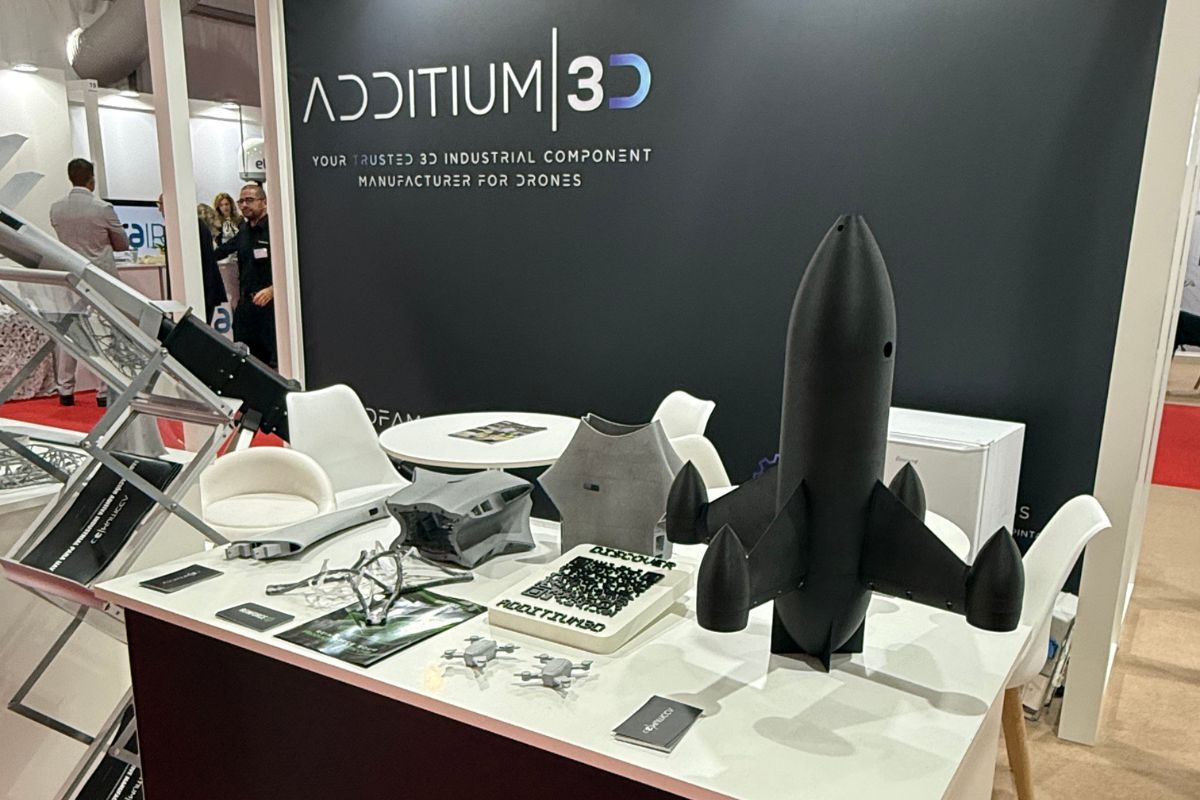
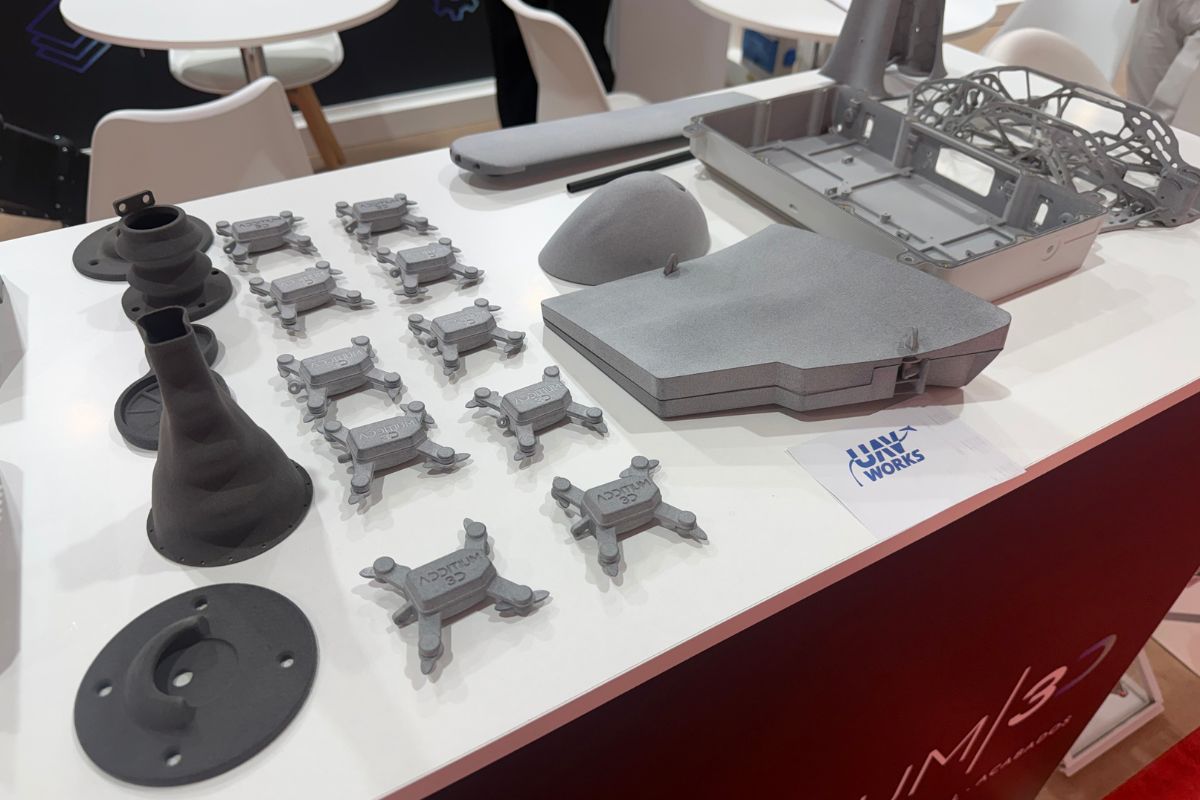
We design and We manufacture plastic components for UAVs through industrial additive manufacturing. From prototype to serial production, with MJF, SLS, FDM and SLA and in-house production.
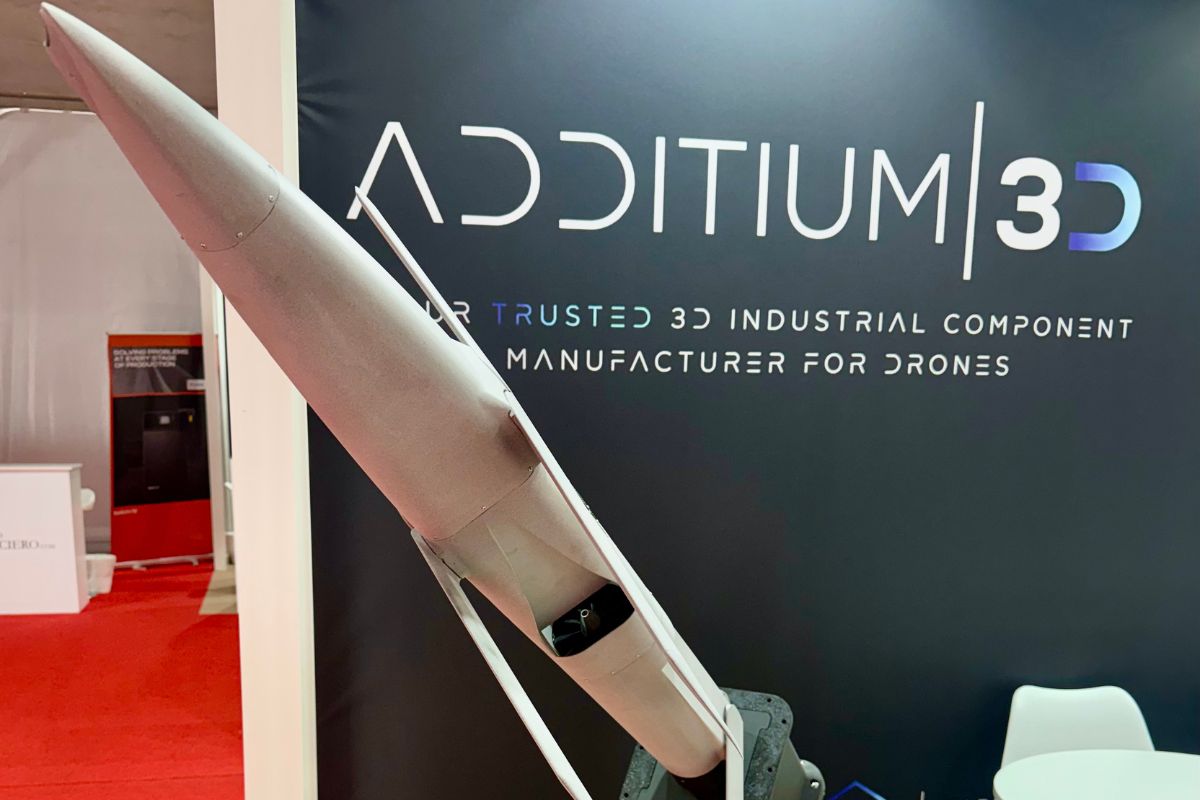
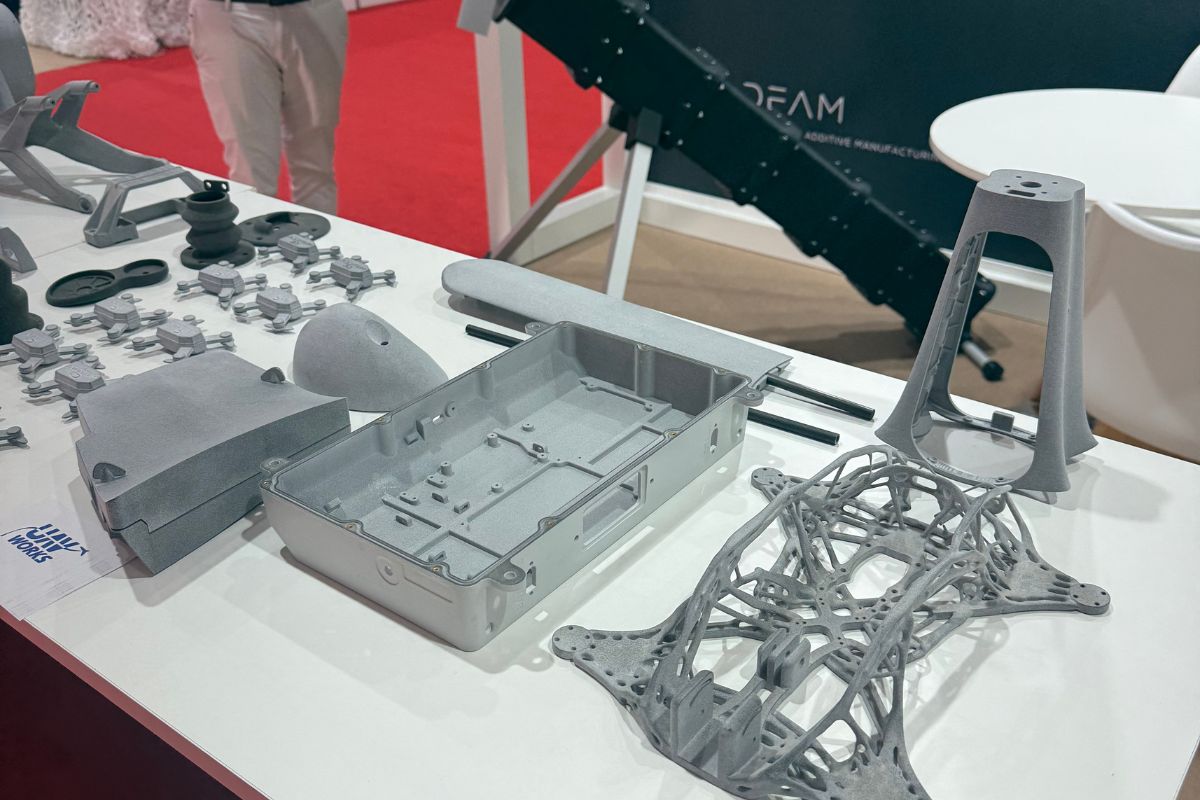

Additive manufacturing solutions for the UAV sector
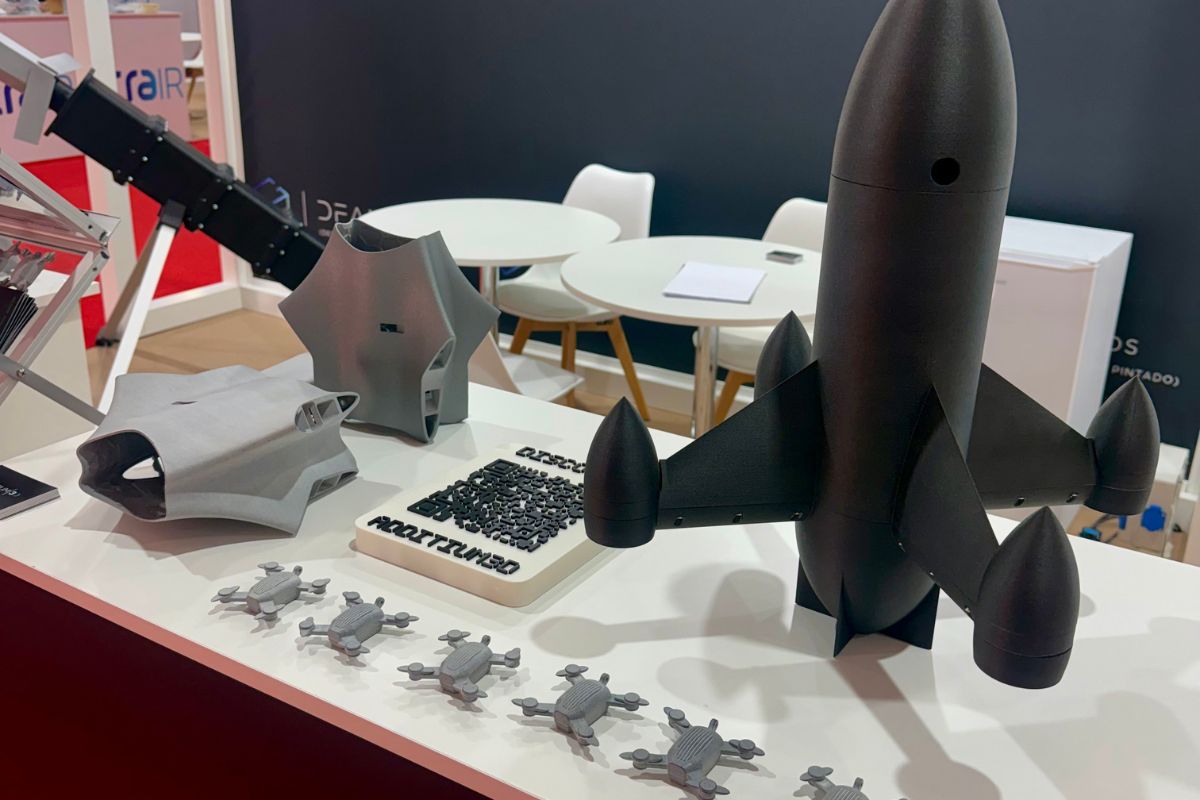
We manufacture parts for those who design drones
Weight, resistance, geometry, vibrations, development time, number of units and production cost all influence each component of an UAV.
That's why we don't start from a specific technology. First we study What the piece has to do, where it will be used, how much it weighs, how many units you need and within what timeframe. Then we analyze the geometry and recommend technology, materials, and manufacturing strategy.
Currently we are working on 7 UAV programs, combining engineering, manufacturing and finishing within a single process.


Main uses of 3D printing in drones and the UAV sector

Why use additive manufacturing for drones?
Rapid development and iterations
It goes from the digital file to a first batch without waiting to develop molds or tooling. This allows testing different versions, validating the design, and making quick changes.
Weight reduction
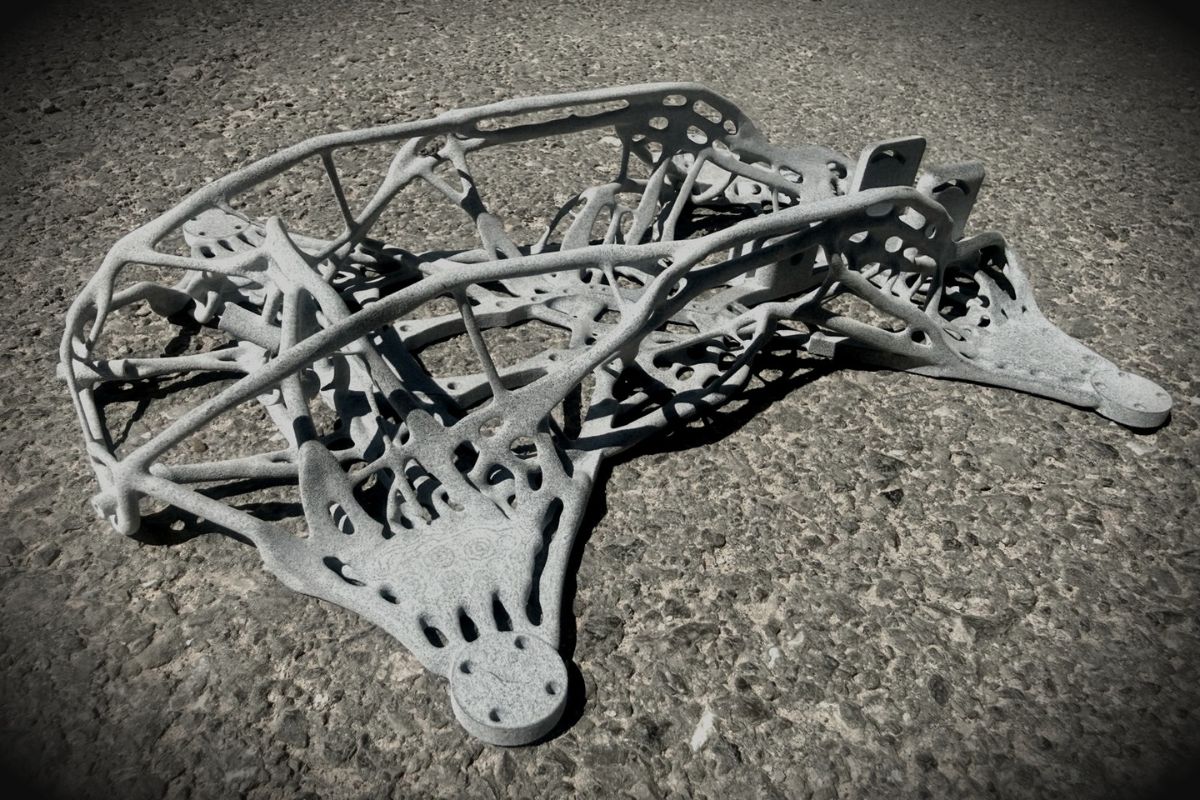
DFAM, topological optimization, thin walls and internal structures allow the use of material only where it provides a function.
Integration of components
Accommodation, cables, tensioners, fixing systems and other functionalities can be integrated directly into the geometry of the part.
Without initial investment in molds
Manufacturing begins directly from the 3D file, facilitating the development of new UAVs and reducing risk before finalizing the design.
Personalisation
Each mission, payload, electronics, or configuration may require different components. Additive manufacturing allows for geometry customization without developing a new mold for each variant.
Scalability
We can start by manufacturing a few units and evolve towards recurring production as demand increases. Capacity is scaled through production, not through new investment in equipment.
3D drone manufacturing
Applications of 3D printing in drones and UAVs
Fuselage and deckhouses
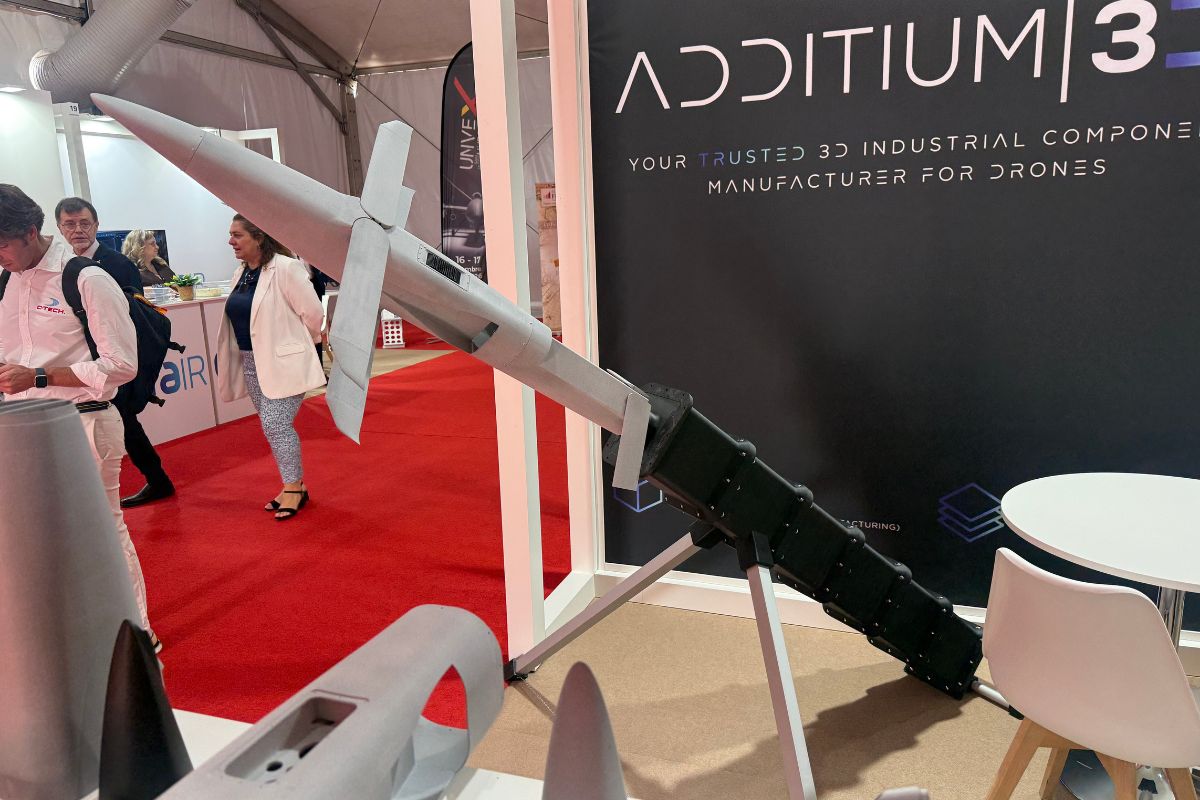
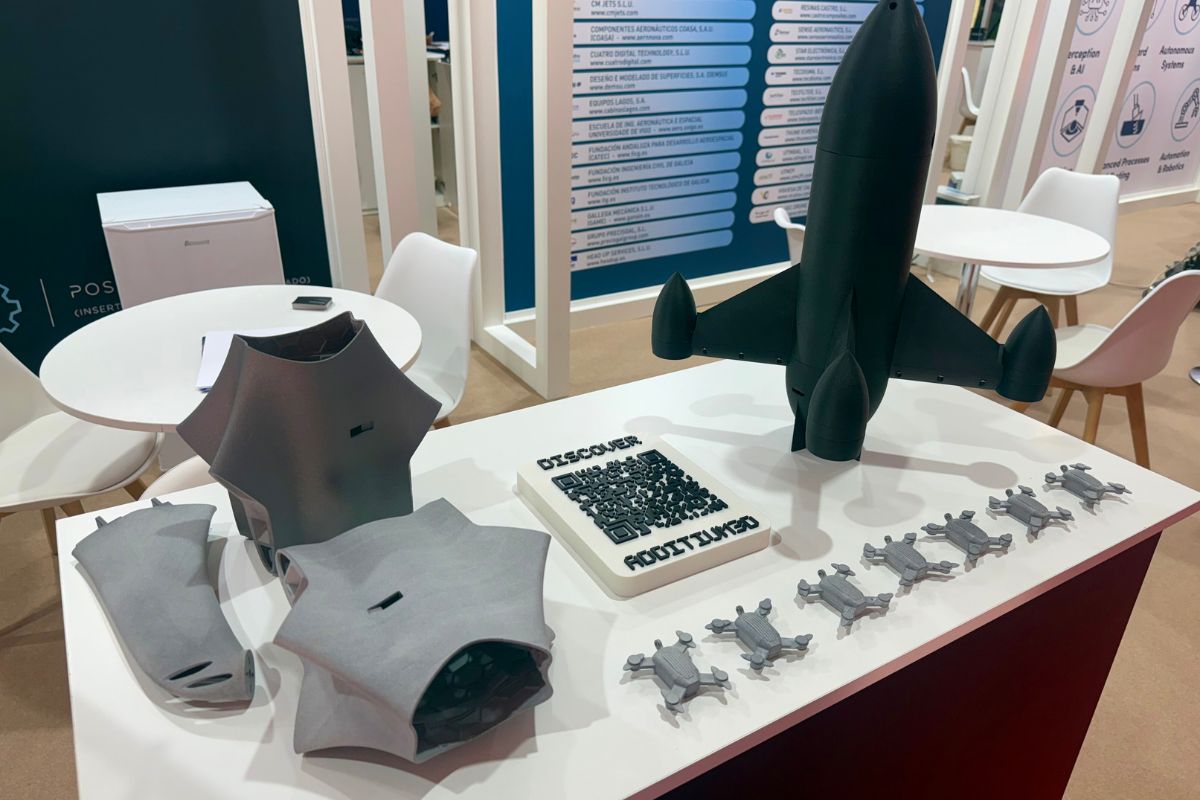
Manufacturing lightweight exterior structures adapted to the UAV's geometry, integrating functional elements directly into the design.
Enclosures and casings
Cases for batteries, electronics, control systems and other components, with integrated housings and mounting systems.
Frames and structures
Components optimized using DFM and topological optimization to reduce material while maintaining the necessary performance.
Mounts for cameras, sensors and payloads
Customized components to integrate cameras, sensors, antennas, GNSS systems or other specific equipment for each mission.
Internal components and mounting systems
Supports, cable ties, brackets, anchors, adapters and other functional parts integrated within the assembly.
Tools for manufacturing and assembly
Useful tools, templates, and auxiliary elements to facilitate assembly, control, and maintenance during UAV production.
Functional prototypes
Manufacturing of initial versions to check geometry, assembly and functionality before moving on to production.
Series of UAV components
Recurring production of parts without the need for molds, maintaining flexibility to introduce future modifications.
Designing to make things better
DFAM for UAVs
Design for Additive Manufacturing (DfAM) allows us to truly take advantage of the possibilities of additive manufacturing.
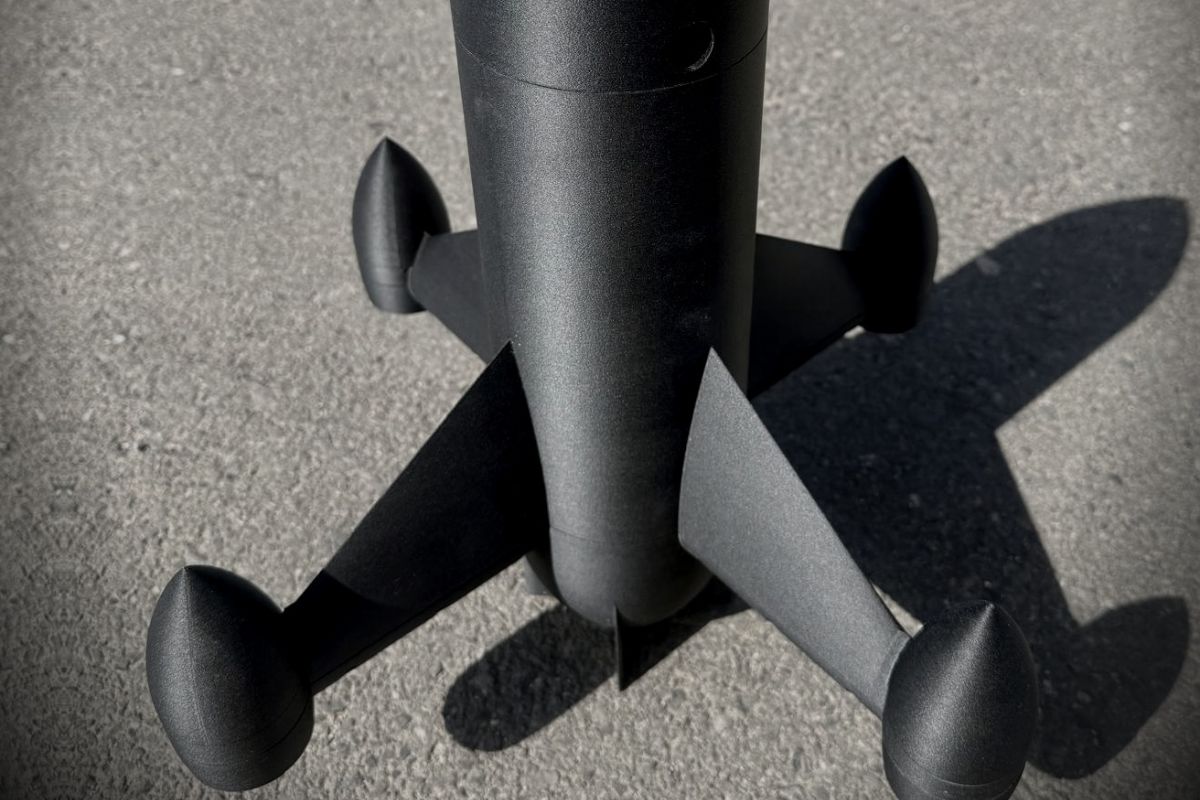
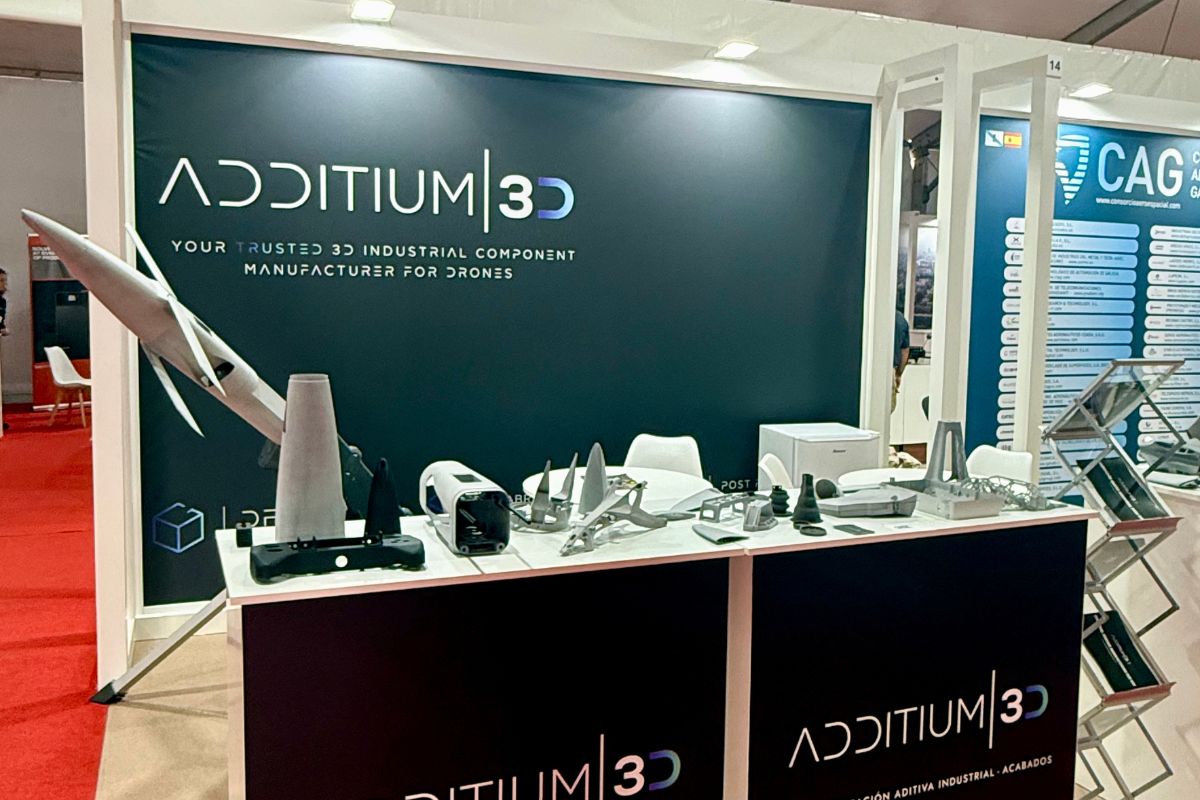

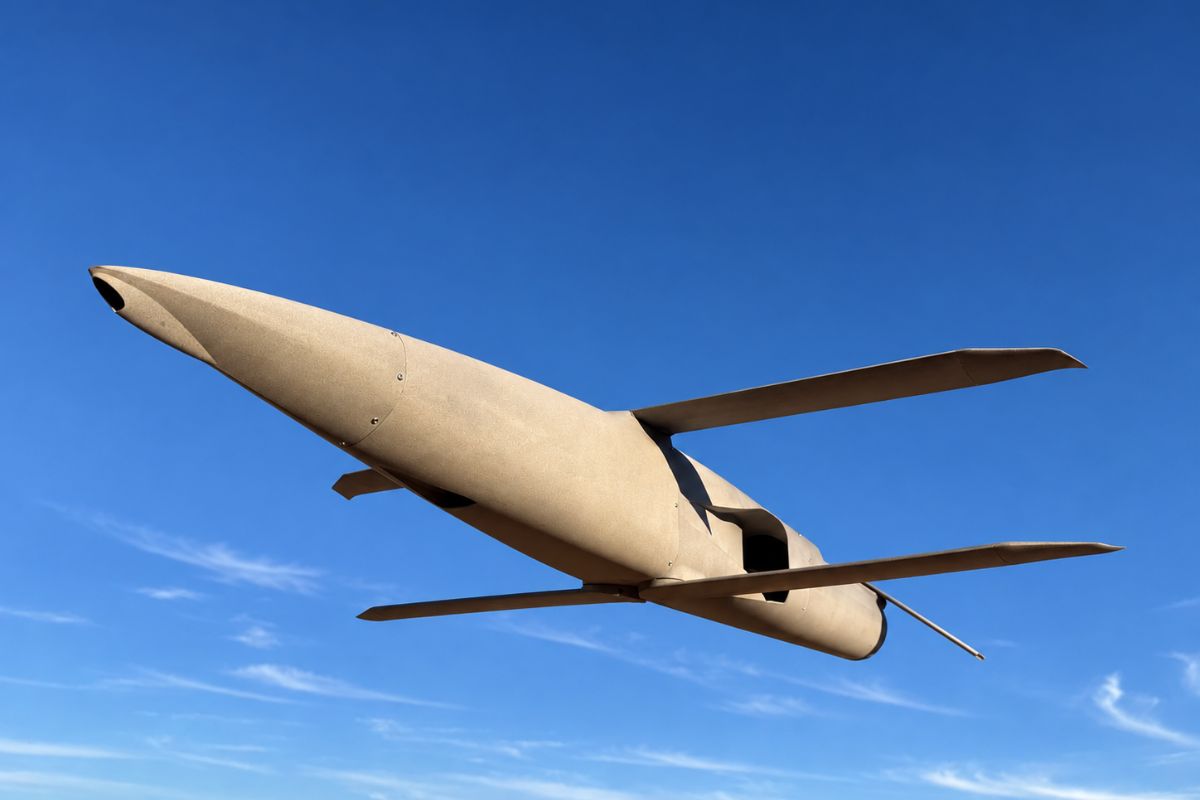
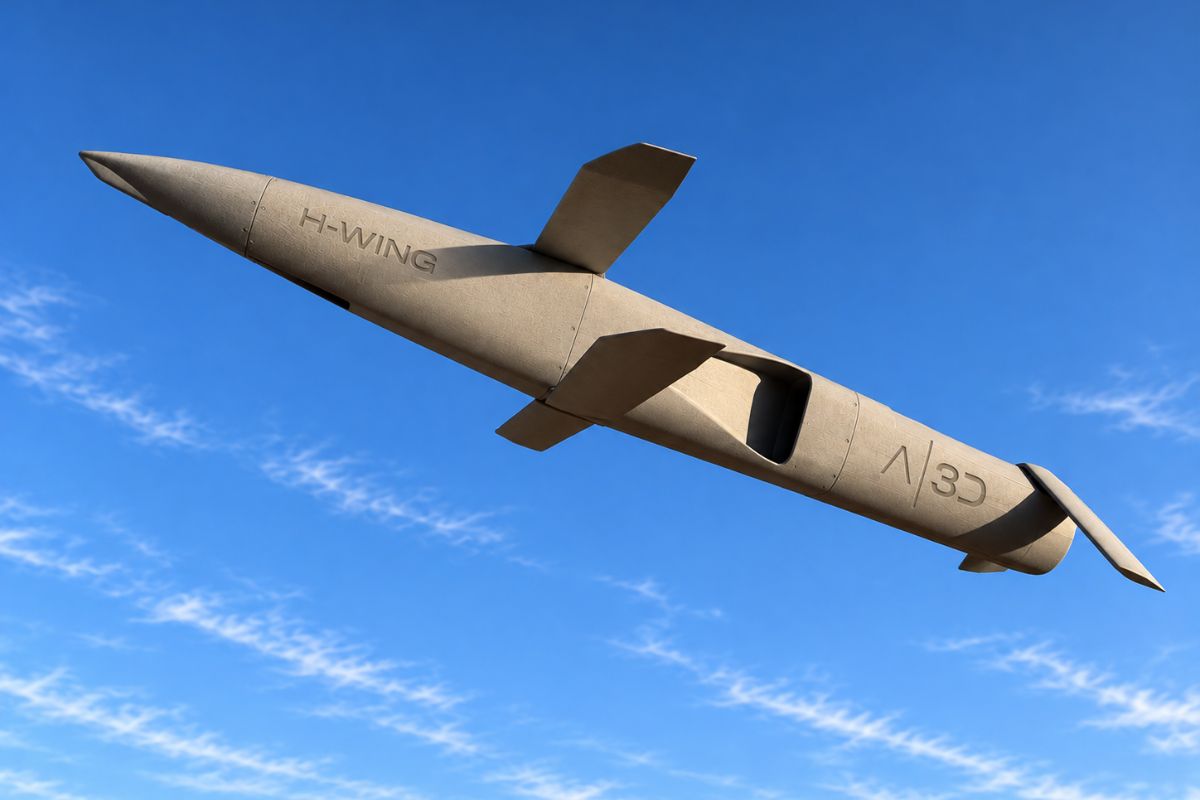
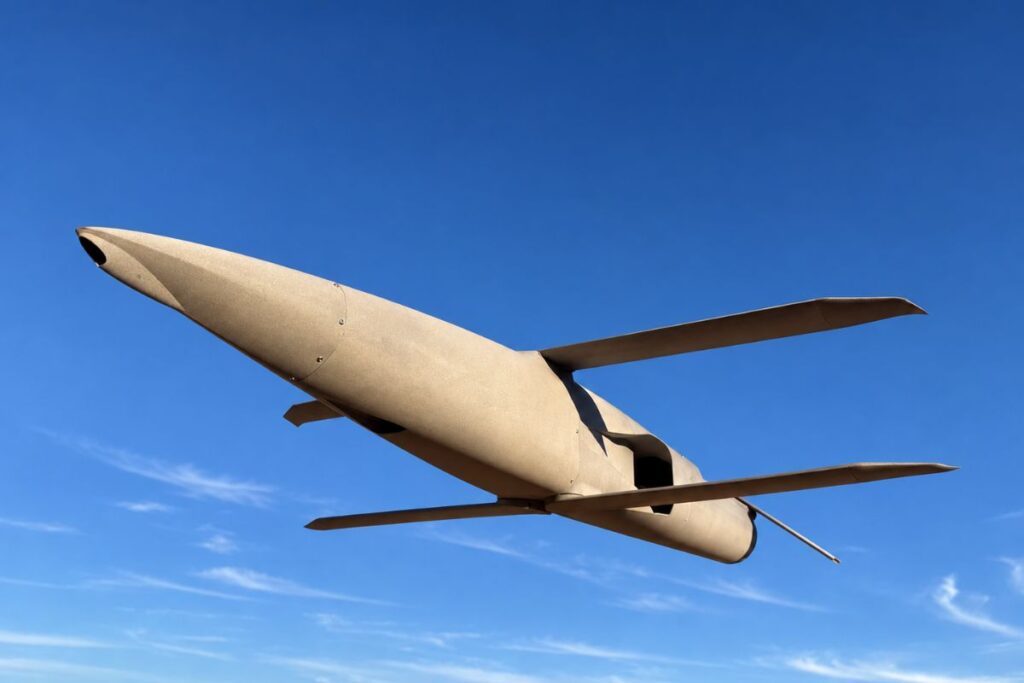
H-Wing: a UAV designed for additive manufacturing
Designed by Additium3D. Manufactured with production in mind.
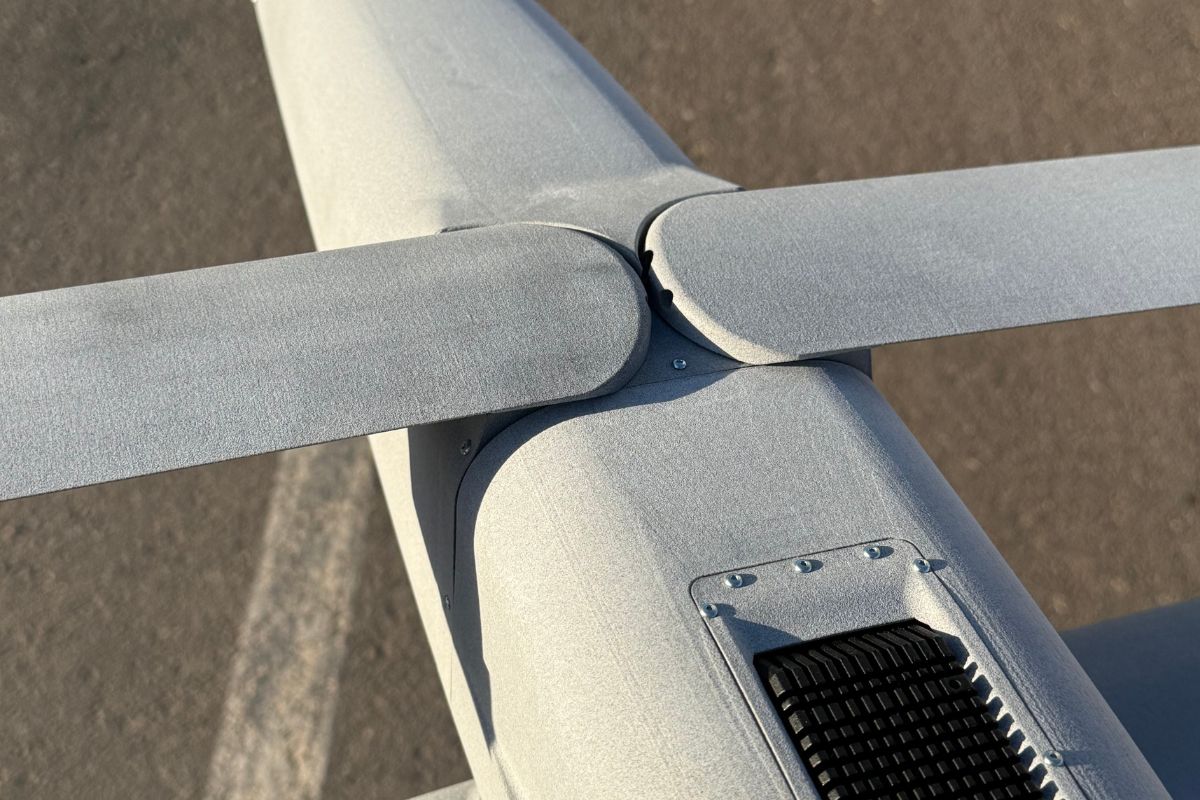
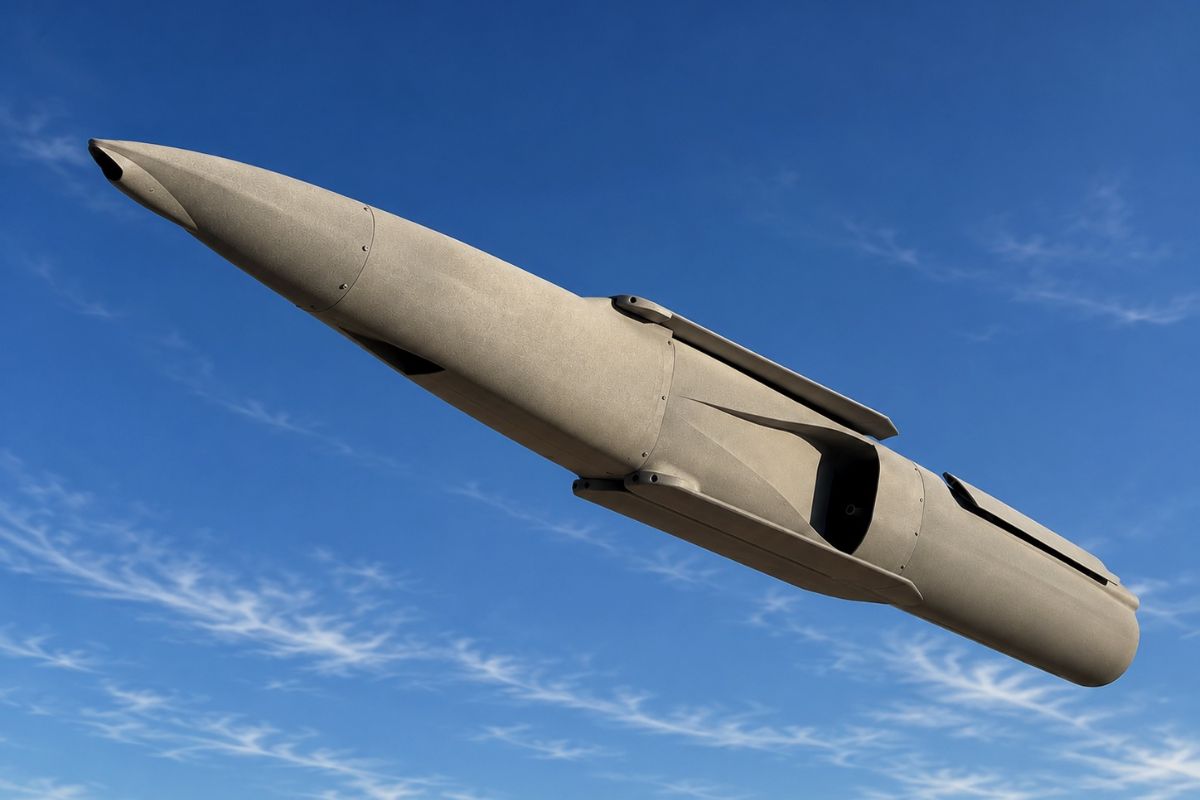
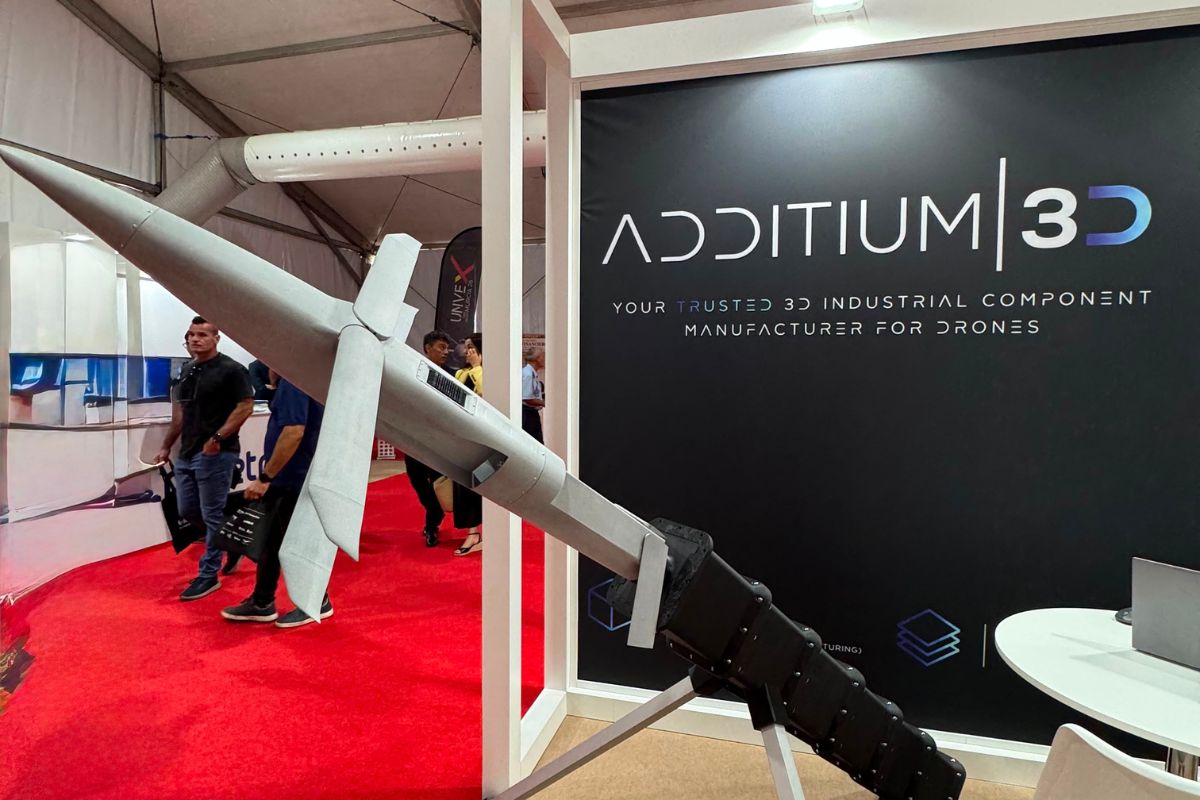
We develop H-Wing, Our own UAV, to demonstrate the possibilities of designing a drone from scratch for additive manufacturing.
Manufactured using HP Multi Jet Fusion, It integrates thin walls, enclosures, cables and wires directly into its components, reducing material and the number of parts.
In addition, its design is optimized for production: We can manufacture the components for two complete H-Wings in a single MJF cycle.
Less material. Fewer components. More capacity to scale.
From design to the production of UAV components
Engineering, manufacturing and finishing under the same roof
01. Engineering and design
3D scanning, zero-based design, redesign for DfAM and weight optimization.
02. Selection of technology and material
We analyze the piece and recommend MJF, SLS, FDM or SLA depending on your requirements.
03. First round
We manufacture the first units to check geometry, assembly and performance.
04. Validation and iteration
We modify the file when necessary without developing a new mold.
05. Production
Once the component has been validated, we establish the manufacturing cadence required by the project.
LET'S TALK
Choose how to contact
Talk with Addit-IA
Get quick answers on industrial additive manufacturing thanks to our artificial intelligence trained with Additium 3D expertise.
Schedule your free consultation
Book a call with me and tell me about your project: I will guide you without obligation on how to optimise your production with 3D printing.
Experts in 3D printing for drones and UAVs
Why choose Additium3D 3D printing?
Confidentiality from the first file
Your UAV project is protected from the beginning
We know that in the UAV sector we often work with a product before it even reaches the market.
That is why we can sign an NDA before receiving designs, specifications or files.
The information remains restricted to the team assigned to the project and we do not publish photographs, names, or information about our clients’ developments without their permission.
Four technologies to avoid forcing your piece into a single position
We work with MJF, SLS, FDM and SLA. The technology is selected based on the part and not vice versa.
Specific experience in UAV
Our team combines experience in additive manufacturing with specific industry knowledge. The CTO of Additium3D is an aerospace engineer with years of experience designing, building, and piloting radio-controlled aircraft.
From the first file to production
We can intervene in design, DFM, manufacturing, post-processing and recurring production to accompany the project beyond the prototype.
No minimum order
Additive manufacturing allows you to produce from small batches to larger productions without having to pre-invest in a mold.
TESTIMONIALS
Customer stories

"One of the few companies that is a pleasure to work with. Thank you for your services. I will certainly continue to use your services (...)".
Néstor Grande
Art Director at Montiego


ADDITIUM 3D has done some exceptional printing work for me. They scanned my parts and printed them in superior quality.
They have also printed pieces downloaded from public libraries which have been very useful for my models and scale models. They are fast in execution and delivery.
Paco Niederleytner
Founder
Order received correctly. They were able to capture exactly the idea I asked for. Everything perfect and very friendly!
Maria Pallas
Founder
Spectacular work and treatment. Couldn't have looked better!
Alberto Artola
Founder
Frequently asked questions
FAQs about manufacturing components for drones
We can manufacture fuselages, carports, frames, housings, camera and sensor mounts, electronic housing, fixing systems, internal components, assembly tools, and other functional parts. The feasibility and appropriate technology depend on the specific characteristics of each component.
There is no single material suitable for all parts. In Additium3D we use, among other solutions, PA12 S using MJF for numerous functional components and ABS-GF using FDM For certain larger structures and simpler geometries. The selection depends on factors such as weight, geometry, loads, vibrations, dimensions and production volume.
It depends on the piece. MJF It is particularly interesting for complex components, thin walls, integration of functionalities and series; FDM It can be more competitive for large parts with simple geometry. We also work with SLS and SLA when their characteristics best suit the application.
Yes. The H-Wing developed by Additium3D uses fuselage components manufactured using MJF, with verified walls of up to 0.5 mm and the integration of accommodations, cables and wires into the pieces themselves.
It can be used both during development and for recurring production of UAV components. Since it does not depend on molds, it allows starting with few units and increasing production while maintaining the possibility of modifying the design later.
Through DfAM it is possible to optimize thicknesses, eliminate unnecessary material, consolidate components, and utilize topological optimization. The goal is not simply to manufacture thinner walls, but to place material only where it serves a structural function.
It depends on the geometry, technology, material, quantity, and post-processing. As a reference, Additium3D works on certain projects with First batches in 3 to 6 day timeframes after defining the manufacturing solution.
Yes. We can sign a confidentiality agreement before receiving the files of the project. We do not publish information, images or names of client projects without permission.
Some examples are the manufacture of functional prototypes, fuselages, casings, frames, supports, tools, components with internal channels, topologically optimized parts, and series of customized components. In UAVs, additive manufacturing also allows for the integration of multiple functions within a single geometry.
There are different systems depending on the technology used. Among the industrial processes we find MJF, SLS, FDM y SLA. Additium3D works with these four technologies and selects the most appropriate one according to the characteristics of each piece.
Additium3D specializes in Additive design and manufacturing of plastic components for UAVs, Working with manufacturers, engineering companies and integrators. In addition, it develops its own UAVs such as H-Wing and SAETA AX-1 to research, validate and demonstrate the possibilities of additive manufacturing applied to the sector.