




The 3D printing and injection moulds are transforming the way industries produce parts and components. More and more companies are turning to 3D printed moulds and tooling for industry as a fast, flexible and cost-effective alternative to traditional methods. Additive manufacturing makes it possible to produce complex, customised parts in less time, speed up production and reduce costs, offering real competitive advantages in industrial processes of all kinds.
In this article we will analyse how the 3D printing of moulds and tooling is changing the industry, its applications, the manufacturing process, the most common materials and how it can help you optimise your processes.
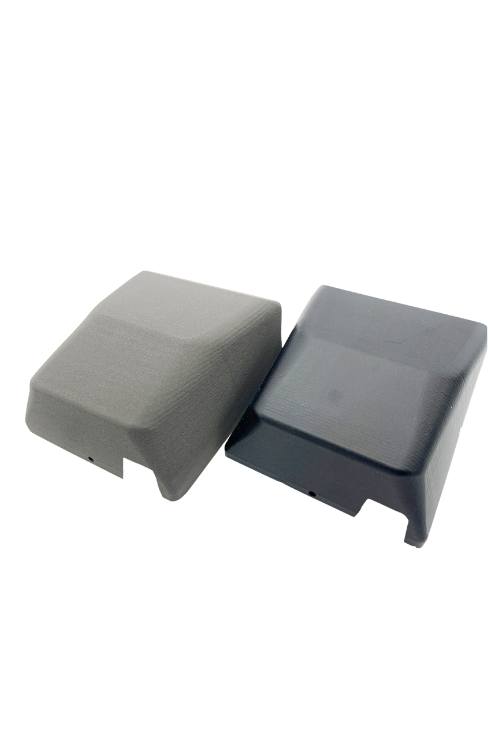
What are moulds and tooling and what are they for?
Before delving deeper into additive manufacturing, it is important to differentiate between moulds y tooling, The two play complementary roles in the industry.
Moulds
The moulds are used for shaping materials, They enable the production of specific parts and components. They are essential in processes such as:
- Plastic injection mouldingIdeal for plastic housings and high precision parts.
- Smelting and casting: production of metal components with complex geometries.
- Thermoforming: shaping plastic sheets by means of heat and pressure.
- Compression and siliconefor high-strength parts or flexible products.
Moulds can be used to produce identical series of parts efficiently and are key to the mass industrial production, guaranteeing consistent precision and quality.
Tooling
Tooling refers to support tools that facilitate and optimise manufacturing and assembly operations. It aims to improve efficiency, accuracy and quality at every stage of production. Examples include:
- Clamping toolsfixing parts during machining or assembly.
- Assembly tools: guides or templates that ensure the correct assembly of the components.
- Inspection tools: they allow to verify dimensions and tolerances of the parts.
- Positioning and handling tools: they position and transport parts precisely.
- Finishing tools: facilitate operations such as polishing, deburring or final finishing of the workpiece.
Overall, 3D printed moulds and tooling enable industries to produce parts faster, more accurately and at lower costs, while accommodating complex designs that were previously impossible to manufacture.
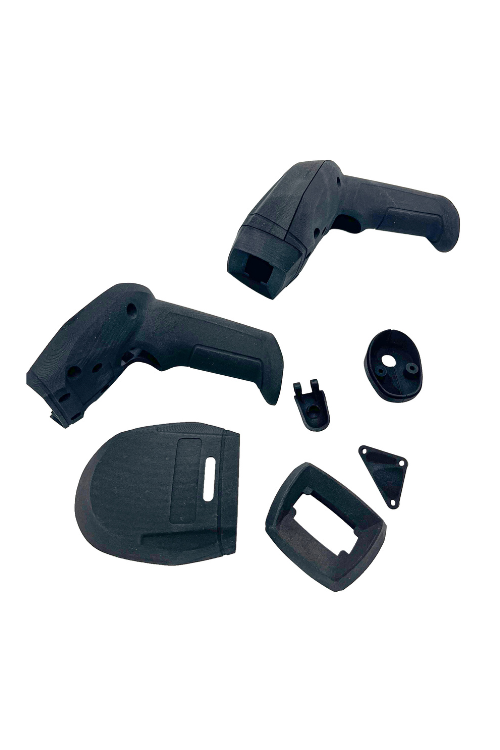
Advantages of 3D printed moulds and tooling
The use of 3D printed moulds and tooling brings tangible benefits in industrial production:
- Increased accuracyPrinted tools allow tight tolerances and a high level of detail.
- Reduction of production timesThe manufacturing times are considerably shorter than with traditional methods.
- Increased efficiencyby optimising processes, errors and rework are reduced.
- Cost reductionEliminates traditional tooling costs, metal moulds or time-consuming machining processes.
- Personalisation: possibility of manufacturing moulds adapted to single parts or complex prototypes.
- Flexibilityallows you to iterate designs quickly and adjust them according to production needs.
How Additium3D produces moulds and tools
At Additium3D, we specialise in the 3D printing of moulds and tooling that enable companies to optimise their production and reduce costs. Our service combines speed, precision and technical advice, covering the entire project lifecycle:
Step 1. Mould or tool design
You can send us your sketch or idea, If you don't have a design, we collect the necessary information and help you to translate it into an optimised 3D model. Our team applies criteria of DFM (Design for Manufacturing) to ensure that the final design is efficient and producible.
Step 2. Budget and analysis
Within a few hours you will receive a detailed budget, with recommendations for materials, printing techniques, costs and times. Our aim is to offer transparency and solutions adapted to every industrial need.
Step 3. Testing and validation
During the testing phase, we work with you to validate the moulds or tooling, ensuring that they meet your requirements for functionality, precision and strength. This phase allows designs to be fine-tuned before final production.
Step 4. Final production
Once the design has been validated, we proceed to the production of all units, whether in small series or mass production. Manufacturing is carried out using advanced 3D printing technologies that guarantee the consistency and quality of the final product.
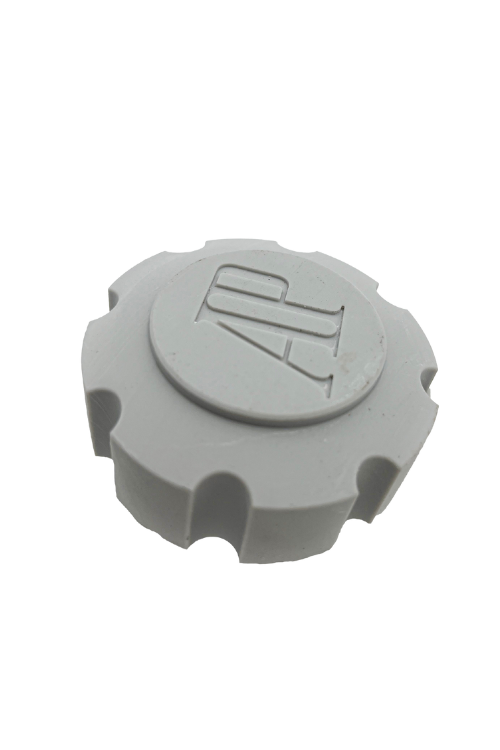
Most common 3D printed tooling types
3D printed tooling can be adapted to multiple industrial applications. The most common include:
- Supporting tools: hold parts in position during assembly or machining.
- Assembly tools: guides and templates to ensure the correct assembly of components.
- Clamping tools: they clamp workpieces for operations such as cutting, welding or machining.
- Inspection toolsThe dimensions, tolerances and quality of the manufactured parts are verified.
- Positioning tools: precisely position parts during manufacturing.
- Handling equipment: facilitate the transport and movement of components within the production line.
- Finishing toolsoptimise final operations such as polishing, deburring or sanding, ensuring a professionally finished product.
These tools can be manufactured in high-strength plastics, specialised resins, reinforced composites and even metals, depending on the application and the strength and durability requirements.
3D printed moulds and tooling applications
The 3D printing of moulds and tooling allows a wide range of industrial applications to be covered:
- Rapid prototyping: create functional and customised prototypes in record time.
- Customised production: to manufacture tailor-made parts for small series or single components.
- Industrial manufacturingoptimising production processes with complex moulds and tooling.
- Assembly and fastening: improving efficiency and accuracy in assembly operations.
- Inspection and quality control: to verify parts and ensure exact tolerances.
- Product finishingpolishing, sanding or deburring operations to obtain a perfect finish.
- Market adaptabilityThe company's ability to respond quickly to design changes or specific needs, while remaining competitive.
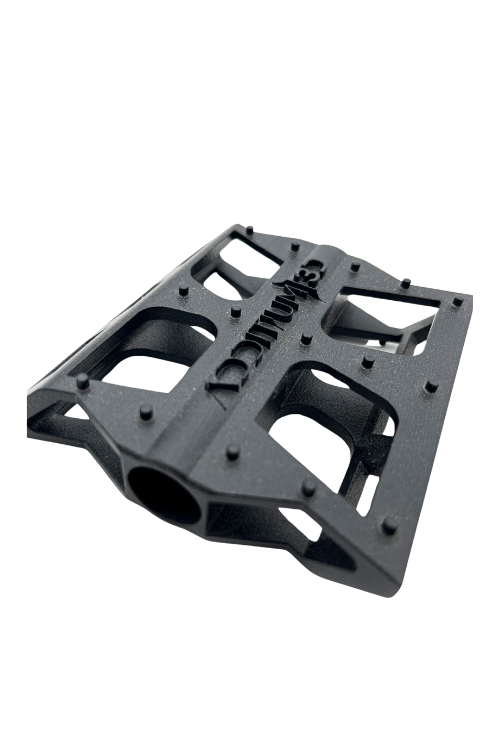
Most common types of 3D moulds
The 3D printing of moulds adapts to different industrial processes:
- Plastic injection mouldsfor fast and precise production of plastic parts.
- Casting mouldsfor metal parts with complex geometries.
- Silicone moulds: they manufacture flexible and durable products.
- Thermoforming mouldsmould plastic sheets with heat and pressure.
- Compression mouldsideal for strong and durable components.
- Casting mouldsThe following are the main materials used to create parts from liquid materials such as resins or waxes.
- Foam moulds: they manufacture light and resistant parts.
- Rapid prototyping moulds: allow designs to be validated prior to mass production.
Key benefits of 3D printing moulds and tooling
The use of Additium3D for the production of moulds and tools offers concrete advantages for the industry:
- Speed of service: agile production with shipments all over Spain.
- Quality and experience: durable products, tested by professionals and adapted to industrial needs.
- Personalised attentionDirect communication with technical experts throughout the entire process, from receipt of files to final dispatch.
- Cost reductionEliminate traditional tooling or metal moulds and reduce rework.
- Flexibility and customisation: to adapt quickly to design changes or specific requirements.
Optimise your industrial production with Additium3D
If you are looking for 3D printed moulds and tooling that speed up your production, reduce costs and allow for customisation, Additium3D is your strategic partner. Our service combines experience, advanced technology and direct attention to deliver solutions tailored to your industrial needs.
Request your personalised quote and find out how we can transform your industrial processes with 3D moulds and tooling.
Tooling includes tools and devices needed to perform manufacturing and assembly processes, optimising precision and efficiency.
High strength plastics (ABS, PLA, Nylon)
Reinforced composites
Specialised resins
Metals and alloys
The machinery performs the main production operations (presses, lathes, milling machines), while the tooling supports and optimises the precision of these operations.
Any substance used to manufacture tools or support devices in production processes, including plastics, metals, resins or composites.
Includes moulds, jigs, fixtures, inspection tools, positioning equipment and any device that facilitates fabrication and assembly.
Injection moulds for plastic injection, casting, silicone, thermoforming, compression, casting, foams and rapid prototyping, each with specific industrial applications.
Expenditure related to the purchase, maintenance and manufacture of tools and devices to support production processes.
Utensils and equipment needed to prepare and cook food, such as knives, pots and cutting boards.
Any tool that helps perform tasks more accurately and efficiently, from moulds and jigs to fixtures and inspection equipment.